



custom mills
Understanding Custom Mills The Backbone of Tailored Manufacturing In the age of mass production, where standardization often reigns supreme, custom mills have emerged as vital players in the manufacturing sector, offering unique services that cater to specific client needs. Custom mills specialize in processing materials, ranging from metals to plastics, and tailoring their products to meet the exact specifications of their customers. This article delves into the significance of custom mills, their operations, and their advantages in various industries. Custom mills are facilities designed to produce materials that are not readily available in standard forms or sizes. Unlike traditional manufacturing processes that focus on high-volume production, custom milling is characterized by its flexibility and adaptability. It enables companies to create bespoke components that are critical for specialized applications, whether in aerospace, automotive, healthcare, or construction industries. For instance, an aerospace company may require parts that withstand extreme temperatures and pressures. Custom mills can manufacture these components with precision, ensuring they meet the stringent safety and performance standards of the industry. The operation of custom mills typically involves a range of sophisticated machinery and techniques. Milling machines, lathes, and CNC (Computer Numerical Control) systems are commonly used to shape and manipulate materials into the desired forms. One of the hallmarks of a custom mill is its ability to handle a variety of raw materials . From metals such as aluminum, steel, and titanium to plastics and composites, custom mills can process an array of substances, making them versatile partners in the manufacturing ecosystem. The design phase is crucial in the custom milling process. It often starts with collaborative discussions between the customer and the mill to define the particular requirements of the project. This may involve creating detailed drawings, specifications, and prototypes, allowing for adjustments before final production begins. The use of advanced design software and modeling tools ensures that the end product meets all functional and aesthetic criteria. This close collaboration not only enhances the quality of the final product but also fosters a relationship founded on trust and understanding between the manufacturer and the client. custom mills One of the primary advantages of custom milling is the ability to produce small batches of specialized parts, significantly reducing lead times compared to traditional manufacturing methods. This is particularly beneficial for industries that require rapid prototyping or specialized components. For example, a startup biotechnology firm may need a small number of custom medical devices for clinical trials, which can be produced quickly and efficiently through a custom mill. This flexibility can be a game changer for companies looking to innovate or respond swiftly to market demands. Additionally, custom mills often employ advanced quality control measures to ensure that the products meet or exceed industry standards. Techniques such as statistical process control (SPC) and real-time monitoring are commonly utilized to track and maintain quality throughout the production process. By investing in rigorous quality assurance processes, custom mills not only enhance their reputation but also instill confidence in their customers. Cost-effectiveness is another consideration for businesses opting for custom milling. While the initial investment may seem higher compared to mass-produced items, the ability to produce precise, tailored components often leads to reduced waste, optimal performance, and lower overall production costs in the long run. Furthermore, the customization offered by custom mills can often yield a superior product that enhances functionality, resulting in greater value for the end-user. In conclusion, custom mills play an essential role in contemporary manufacturing by providing tailored solutions to meet specific client needs. Their ability to produce high-quality, specialized components at competitive prices makes them indispensable across various sectors. As industries continue to evolve and demand greater customization, the importance of custom mills is likely to grow, solidifying their position as a cornerstone of innovative manufacturing practices. Embracing the capabilities of custom mills can empower businesses to achieve their unique goals and maintain a competitive edge in an ever-changing marketplace.

We have successfully executed over 500
projects around the world,
many first-of-their-kind
research projects and products in China, including
We have successfully executed over 500
projects around the world,
many first-of-their-kind
research projects and products in China, including
-
2004
The 1st hydraulic AGC system for hot rolling of ribbon steel
-
2006
The 1st AFC system used for 1450mm skin pass mill
-
2009
The 1st 5-stand tandem line with 2-stand POR & Uncoiler for 650mm ribbon steel
-
2012
The 1st reversing mill for 1380mm strip
-
2016
The 1st soft-rolling system used in skin pass mill
-
2019
The 1st fully automated medium-width tandem cold rolling mill
-
2021
The 1st 5000KN Twin-stand double skin pass mill
-
2022
The 1st coupled pickling line & tandem cold mill with two modes - big roller & small roller
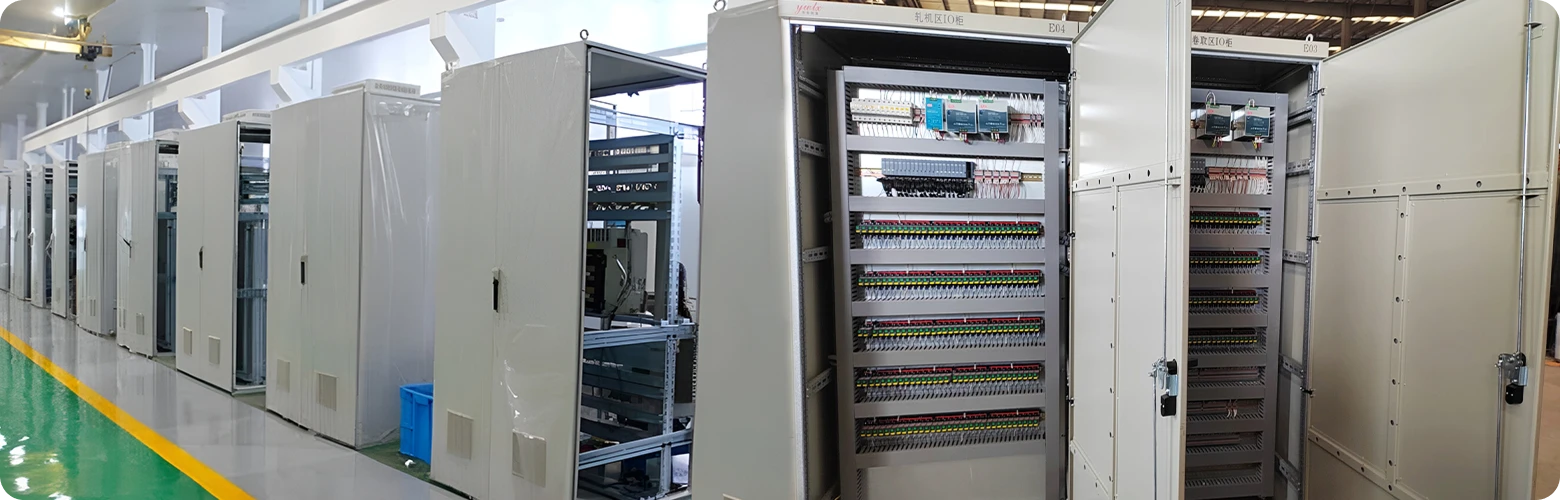
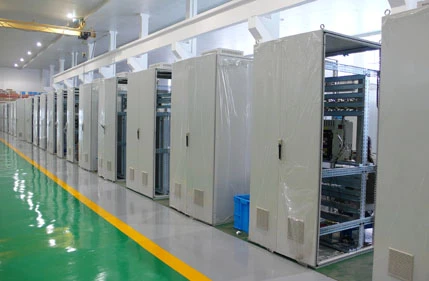

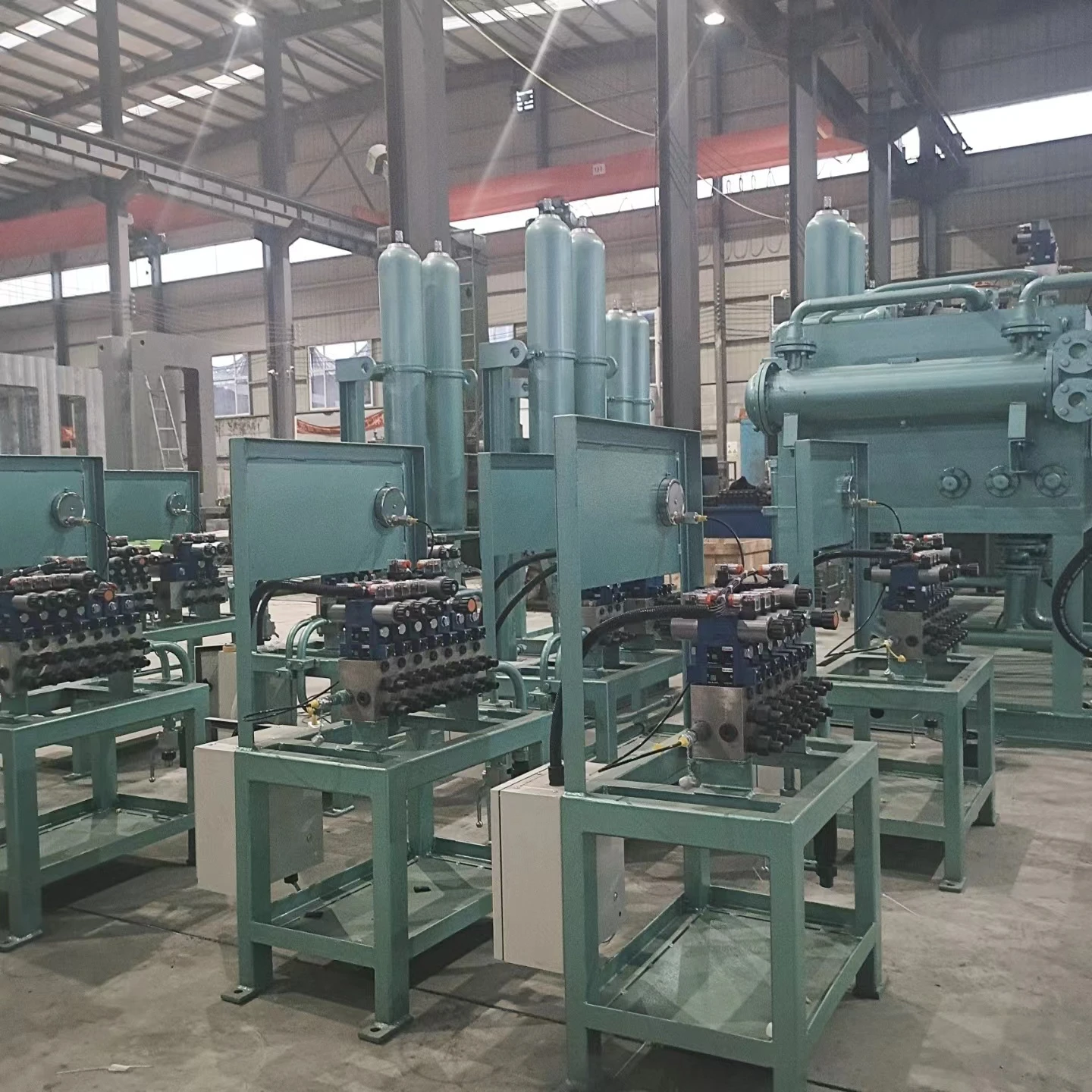
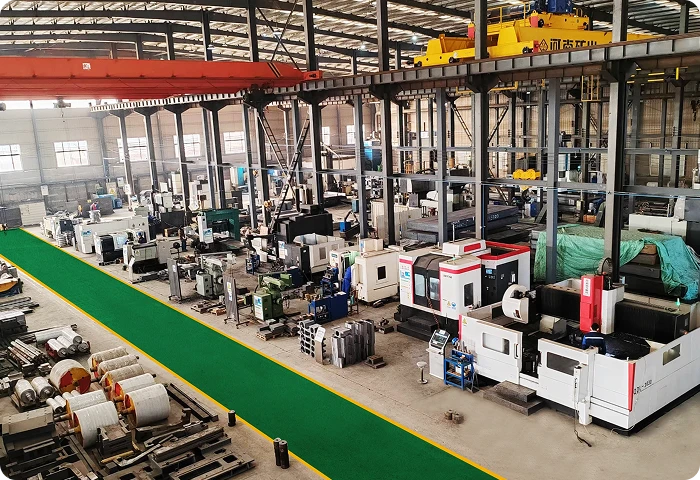
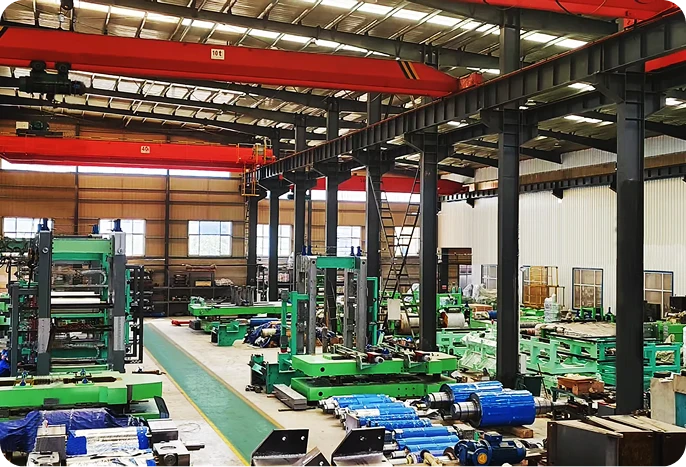
Yang Wang Li Xin operates a state-of-the-art facility over 66,000 square meters,and our manufacturing facility is fully equipped with high-tech machinery and high-capacity cranes. This enables us to handle large work pieces measuring 4.5m in width, 10m in length, and 1.5m in height, guaranteeing our capacity to produce 1800mm skin-pass mills and 1450mm rolling mills. The individual piece can weigh up to 100 tons.


Quality is fundamental to the enterprise survival. We have established a comprehensive and meticulous quality management system and have successfully obtained ISO14000 certification. Starting from the design source, it supervises the entire production cycle, including design, procurement, processing, assembly, in-factory testing, installation, and online commissioning. The workshop is equipped with measuring tools like vernier calipers, spectrometers, hardness testers, and ultrasonic flaw detectors. They are used to check materials and control tolerances to ensure the final equipment meets or exceeds requirements. All products have a unique code, This enables the easy identification and traceability of the equipment components and ensures full control of quality.


-
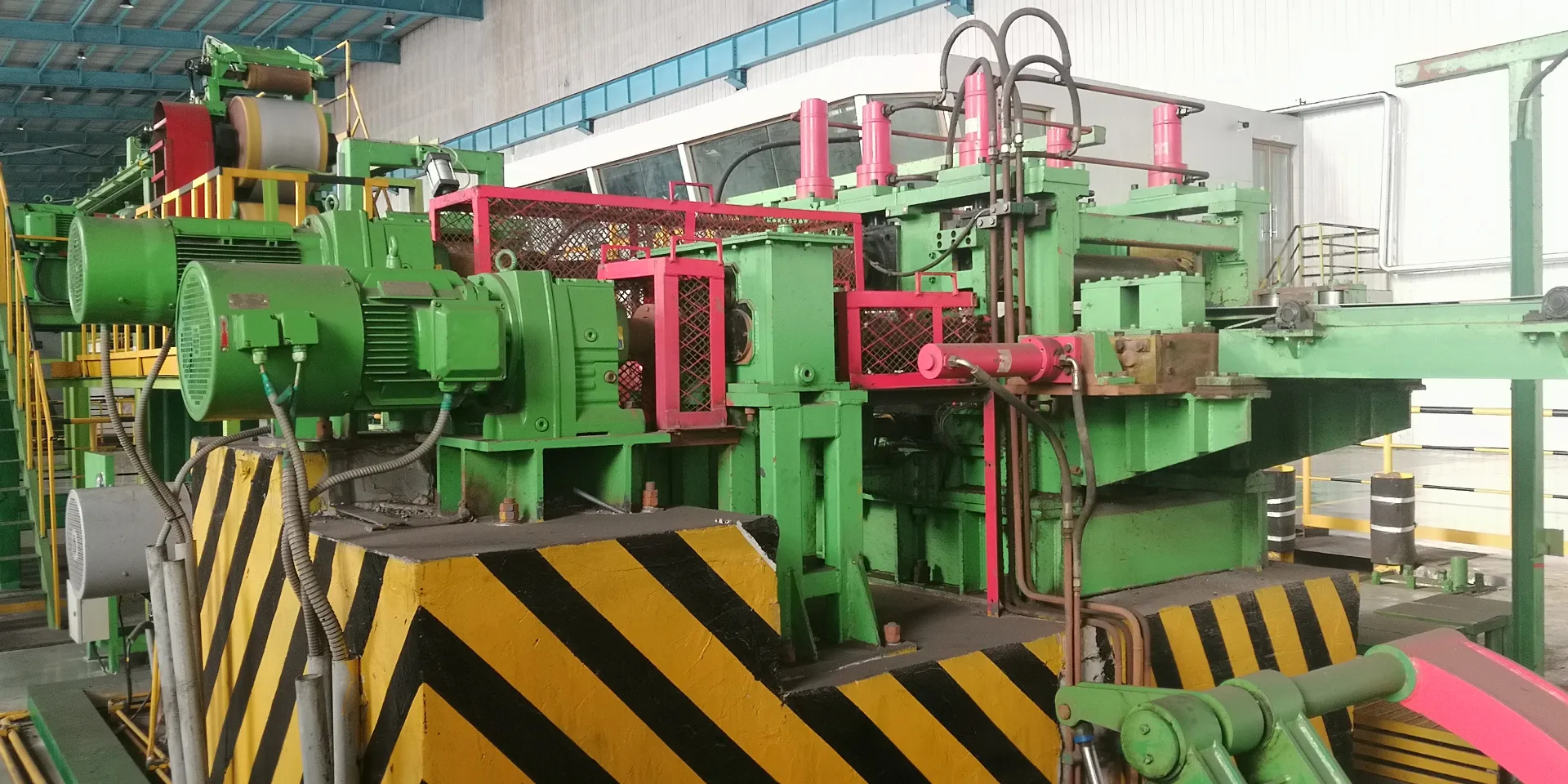 عملية اللحام بالطلاءThe Process of Coating Welding An Overview Coating welding is an advanced technology that integrates welding and surface coating processes to enhance the durability and performance of welded components. This method is particularly significant in industries where parts are subjected to extreme conditions such as high temperatures, corrosion, and wear. By employing coating techniques in conjunction
 -
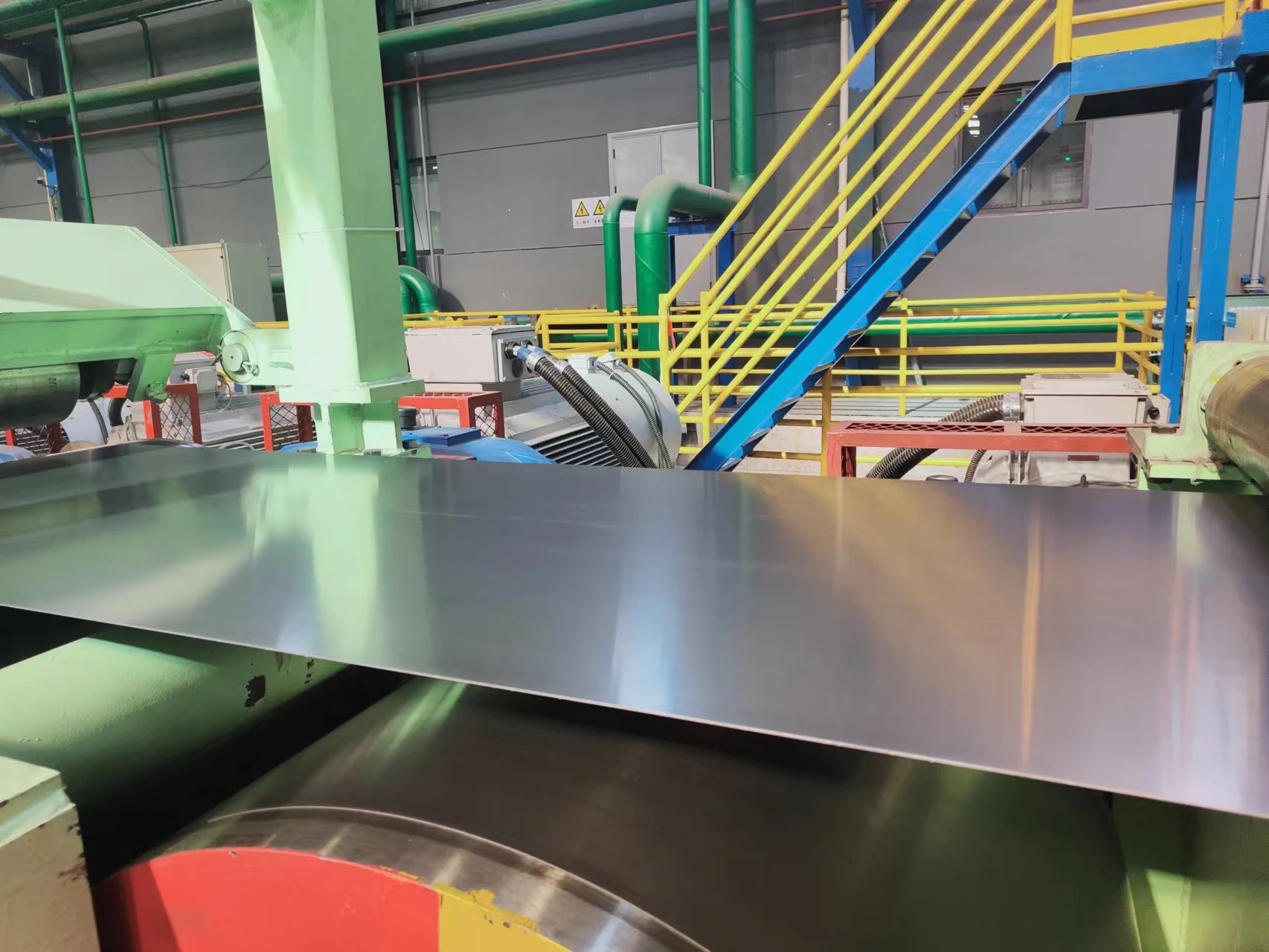 Listoprokotny statoIl laminatoio rappresenta un pilastro essenziale nella produzione moderna di metalli, una macchina avvolta in un'aura di potenza e precisione, la cui importanza non può essere sottovalutata. La tecnologia dietro questo strumento non è solo affascinante ma si erige anche come un testamento delle capacità ingegneristiche avanzate. Esploriamo il mondo del laminatoio, illuminando i suoi dettagli intri
 -
Applications of the Temper Pass Mill in Aluminum and Steel ProcessingThe temper pass mill is an essential piece of equipment in the manufacturing of various metal products, particularly in the processing of aluminum and steel. This specialized mill is designed to refine the mechanical properties and surface quality of metal strips, sheets, and coils through a process called temper rolling . It enhances both the physical characteristics and surface finish of the mat


